Cart
0
You may also like
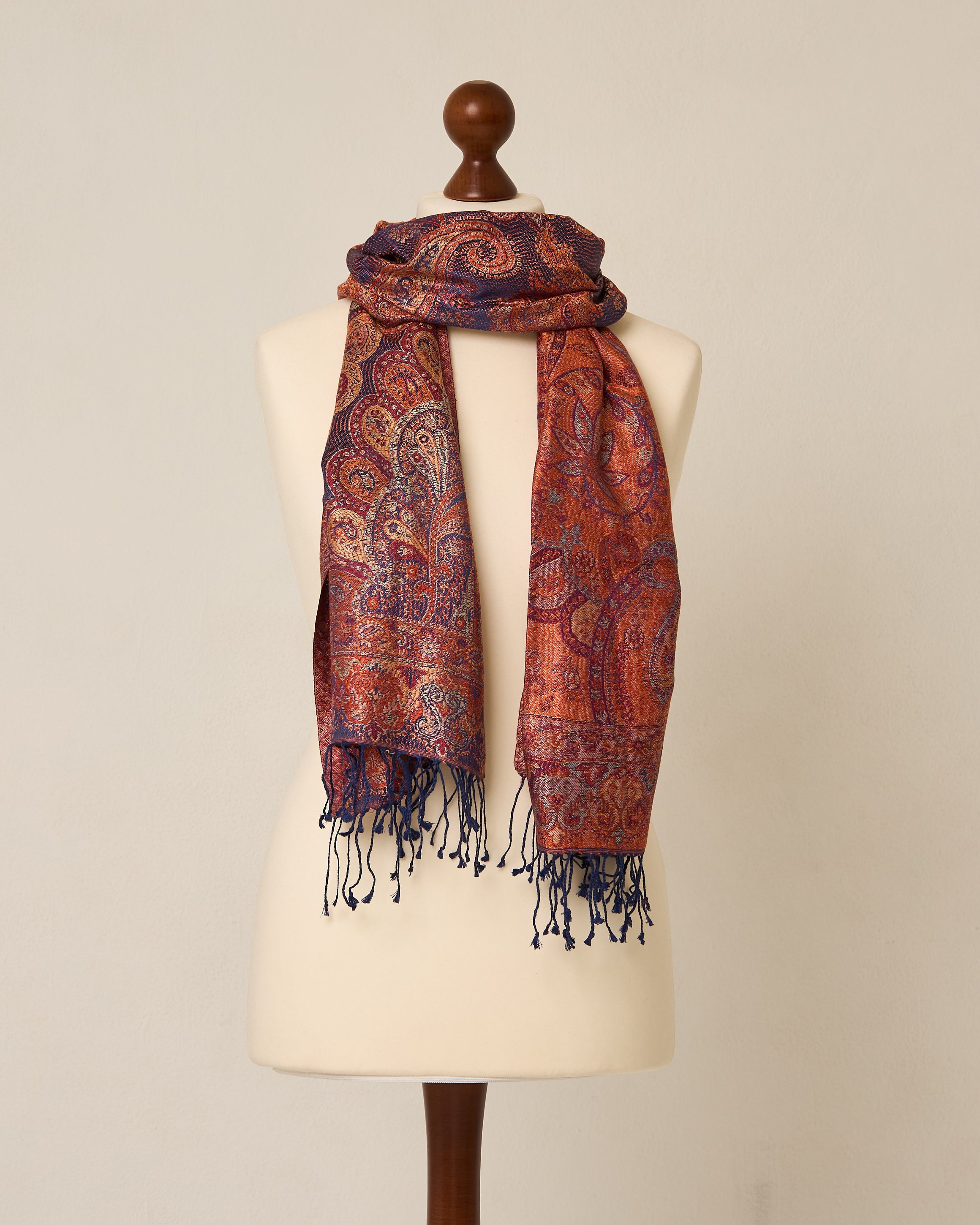
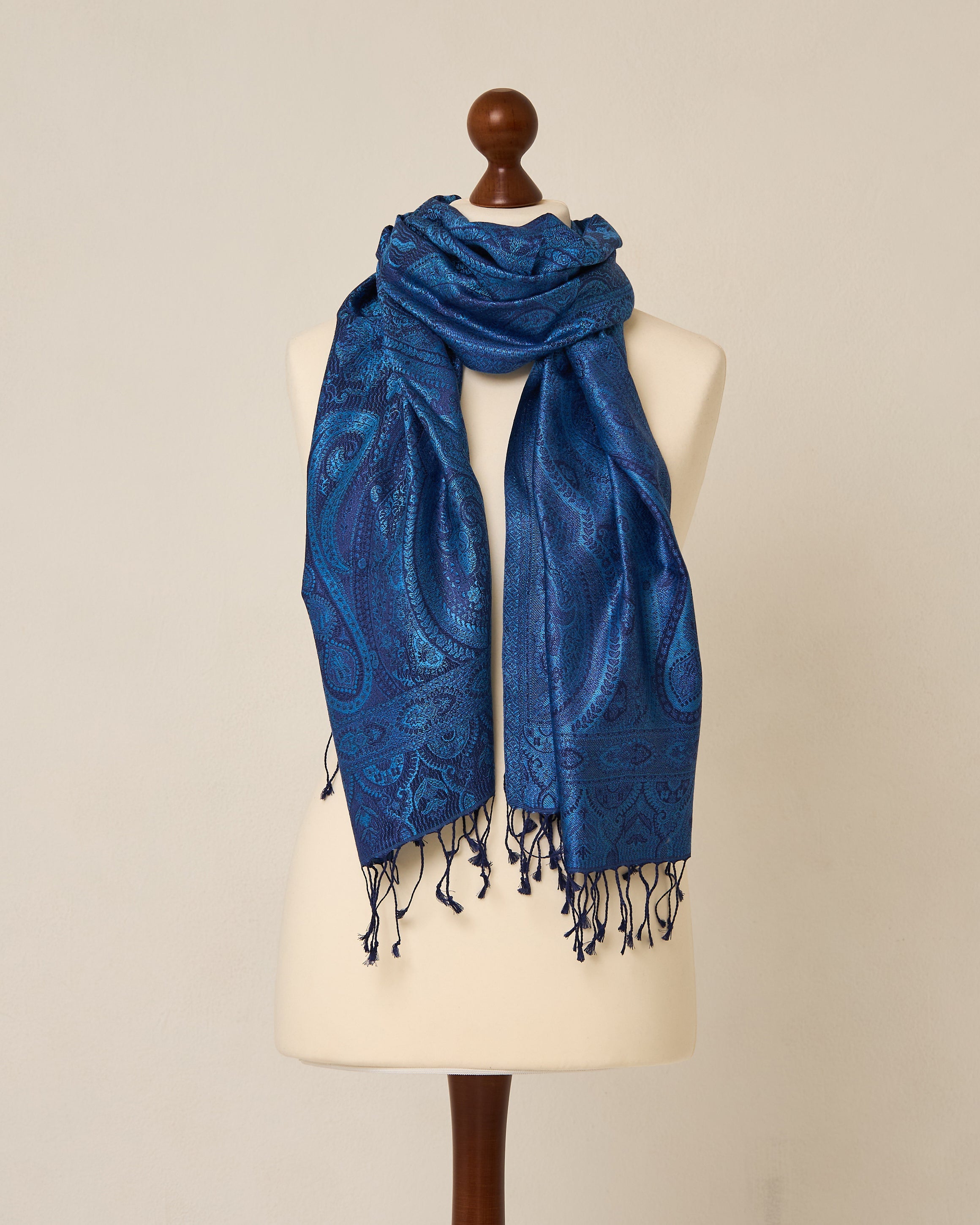



If you live in Switzerland, you know that the weather has a mind of its own. You can leave your home in Zurich, Basel, Geneva, or Bern on a crisp, frosty morning when the air bites your cheeks. Ten minutes later, you step onto a warm SBB train, walk into a busy café, or sit down in a heated office, and your heavy winter jacket suddenly feels like an oven.
Even in the summer and autumn, a sunny afternoon walk beside Lake Zurich or Lake Lucerne can turn chilly the moment the sun dips behind the mountains and the evening breeze rolls in.
That is why a real shawl from Venura Swiss is one of the smartest, most useful items you can keep in a Swiss wardrobe. Unlike a bulky coat or a stiff sweater, a good shawl works like a personal thermostat. You can wrap it twice around your neck when the cold wind blows at the tram stop, drape it loosely over your shoulders during a dinner or concert, or fold it flat inside your handbag when the afternoon warms up.
However, buying a real cashmere or pashmina shawl has become surprisingly difficult. If you walk past street stalls, browse big online marketplaces, or travel on holiday, you will see thousands of shiny scarves with bright gold stickers that say "100% Pashmina" for CHF 15 or CHF 20. Sadly, almost none of those cheap scarves contain a single thread of real cashmere or pashmina. Most are made in factories out of plastic fibres like polyester, acrylic, or chemically treated viscose.
So how can you tell what is real and what is fake before you spend your money? In this simple, honest guide, we will walk you through where real cashmere and pashmina come from, why fake labels are so common, how to test a shawl at home, and how to pick the right shawl in Switzerland without ever getting tricked.
To understand why real shawls feel so special—a story we also share in our guide on Why Cashmere Is More Than a Shawl: The Story of Timeless Luxury—it helps to look at where the yarn begins.
Real cashmere does not come from sheep, plants, or factory chemicals. It comes from mountain goats. During the freezing winter months, these goats grow two coats of hair. On the outside, they have long, rough outer hair that keeps off rain and snow. Underneath that rough hair, right next to their skin, they grow a hidden layer of ultra-soft, fluffy down called the undercoat. That soft undercoat traps their body heat so they can survive freezing mountain winds.
When spring arrives and the mountain weather turns warm, the goats naturally shed this winter undercoat. Herders do not need to harm the goats at all. Instead, they gently comb out the soft undercoat by hand, clean away dust and rough hairs, and spin the fine fluff into yarn.
The word "cashmere" actually comes from an old way of spelling Kashmir, the region where skilled weavers first turned this soft mountain wool into world-famous shawls centuries ago. Under the strict rules used across Europe, a fibre can only be called real cashmere if its average thickness is no more than 19 microns. One micron is one-thousandth of a millimetre—far too tiny to see with your eyes.
Many shoppers wonder if pashmina and cashmere are two totally different things. As we explain in Pashmina and Cashmere: A Simple Guide to Luxury Shawls, the truth is simple: pashmina is a type of cashmere—in fact, it is the finest type in the world.
The word comes from "Pashm," the Persian word for wool. Real pashmina comes from a special breed of goat called the Changthangi goat. These hardy goats live high up on the windy, freezing plains of Ladakh in the Himalayas, often more than 4,000 metres above sea level. In the middle of winter, temperatures up there can drop as low as minus 40 degrees.
To stay alive in that extreme cold, the Changthangi goat grows an extra-fine undercoat. While regular cashmere fibres measure up to 19 microns across, real pashmina fibres measure only 11 to 14 microns thick. To picture how fine that is, touch a single hair on your head. A human hair is around 60 to 75 microns thick—which means a human hair is five or six times thicker than a thread of pashmina!
Because this fibre is so rare and precious, people often call it the "soft gold" of the Himalayas. Each Changthangi goat gives only a few hundred grams of this soft fibre once a year. Collecting, cleaning, spinning, and weaving that delicate undercoat takes skill and time, which you can read more about in Heritage Craftsmanship: Preserving the Timeless Art of Kashmiri Shawl Weaving. That is the real reason why a genuine cashmere or pashmina shawl can never cost the price of a quick lunch.
If real pashmina is so rare, why do so many cheap street-market scarves have "Pashmina" printed on their tags?
The reason is a labelling loophole. While the word "Cashmere" is strictly protected by law in Switzerland and across Europe, the word "Pashmina" is often treated by sellers as a general style name rather than a protected fibre name.
Because of that, some factories make cheap scarves out of viscose (wood pulp treated with chemicals), polyester, or acrylic, and stick a fancy label on them that says "Pashmina Style," "Cashmere Touch," or "Cashmere Feel". On day one in a shop, a chemically softened viscose scarf can feel smooth and slippery. Put it on in the Swiss winter wind, however, and you will notice the problems right away:
If you have ever searched online for pashmina shawls, you have probably seen videos where someone pulls a big shawl through a small finger ring. The idea is that only real pashmina is thin enough to slide right through.
Sadly, the ring test proves nothing.
Many thin shawls made from cheap viscose or man-made fibres pass through a small ring very easily because synthetic threads are ultra-slippery. At the same time, some real, hand-woven pashmina or 100% Pure Cashmere shawls are woven a little thicker for winter warmth, so they will not fit through a ring at all. Pulling a shawl through a ring only shows that a cloth is thin—never what it is actually made of.
Instead of relying on the ring test, use these six simple checks whenever you shop for a shawl in Switzerland:
Real cashmere and pashmina take time and care to make. If a large shawl labelled "100% pure pashmina" costs the same as a café lunch, it is fair to ask questions.
Words like "pashmina style," "cashmere feel," or "cashmere touch" usually do not mean real cashmere. Look for the exact natural fibre name and the exact percentage, such as "100% Pure Cashmere" or "100% Premium Silk", just as we detail on our Venura Swiss Fabrics Guide.
Drape the shawl over your shoulders or wrap a corner around your arm and wait ten seconds. Real cashmere is soft, warm, and a little fuzzy, like a cosy blanket. It traps your natural body heat almost right away without feeling heavy.
In a dry room, gently rub two folds of the shawl together for five seconds. Plastic fibres like acrylic crackle with static electricity, while real Pure Cashmere and natural Silk Jacquard stay calm and smooth.
Never burn a shawl itself! However, if you have an old scarf at home with a missing tag and want to know if it is natural or plastic, take one tiny loose thread from a hidden edge. Hold it with metal tweezers over a sink or metal dish near an open window:
Many websites use a .ch domain name and show prices in Swiss Francs (CHF), but secretly ship from overseas drop-shipping warehouses that leave you with surprise customs bills. Always check the About Us page and Contact page first. Venura Swiss is based right here in Switzerland at Ländliweg 6, 5436 Würenlos (Canton Aargau), with transparent pricing in CHF and clear Refund Policies.
At Venura Swiss, we believe you should always know the truth about what you are buying. Cashmere, pashmina, and silk are different, and not every shawl is fully handmade. That is why we describe every single piece in All Collections by its real material:
To compare how each fibre feels side by side, read our Cashmere vs Pashmina vs Silk Shawl Guide or check our Shawl Colour & Coat-Matching Guide.
Is pashmina the same as cashmere? Pashmina is the finest type of cashmere. It comes from Changthangi goats that live high in the Himalayas of Ladakh at over 4,000 metres above sea level, producing ultra-fine fibres between 11 and 14 microns thick. You can read more in our Shawl Blog Archive.
Which shawl is the warmest for a Swiss winter? Pure cashmere and pashmina are much warmer than silk. For a cold winter morning in Switzerland, choose a shawl from our 100% Pure Cashmere Collection. For a mild evening, indoor dinner, or festive event, a piece from our Best Seller Collection or Silk Jacquard Collection is a lovely choice.
Are luxury shawls a good timeless investment piece? Yes. Unlike fast-fashion scarves that lose their shape after one winter, real cashmere shawls and yarn-dyed silk jacquard shawls are designed to be enjoyed for years—whether worn every day with your winter coat or saved for special occasions.
How can I get personal advice before ordering? If you are unsure which shawl suits your needs or you are picking out a gift, send us a message through our Venura Swiss Contact Page and tell us what you are looking for.